Field notes: the renewal batch where every flagged roof checked out fine
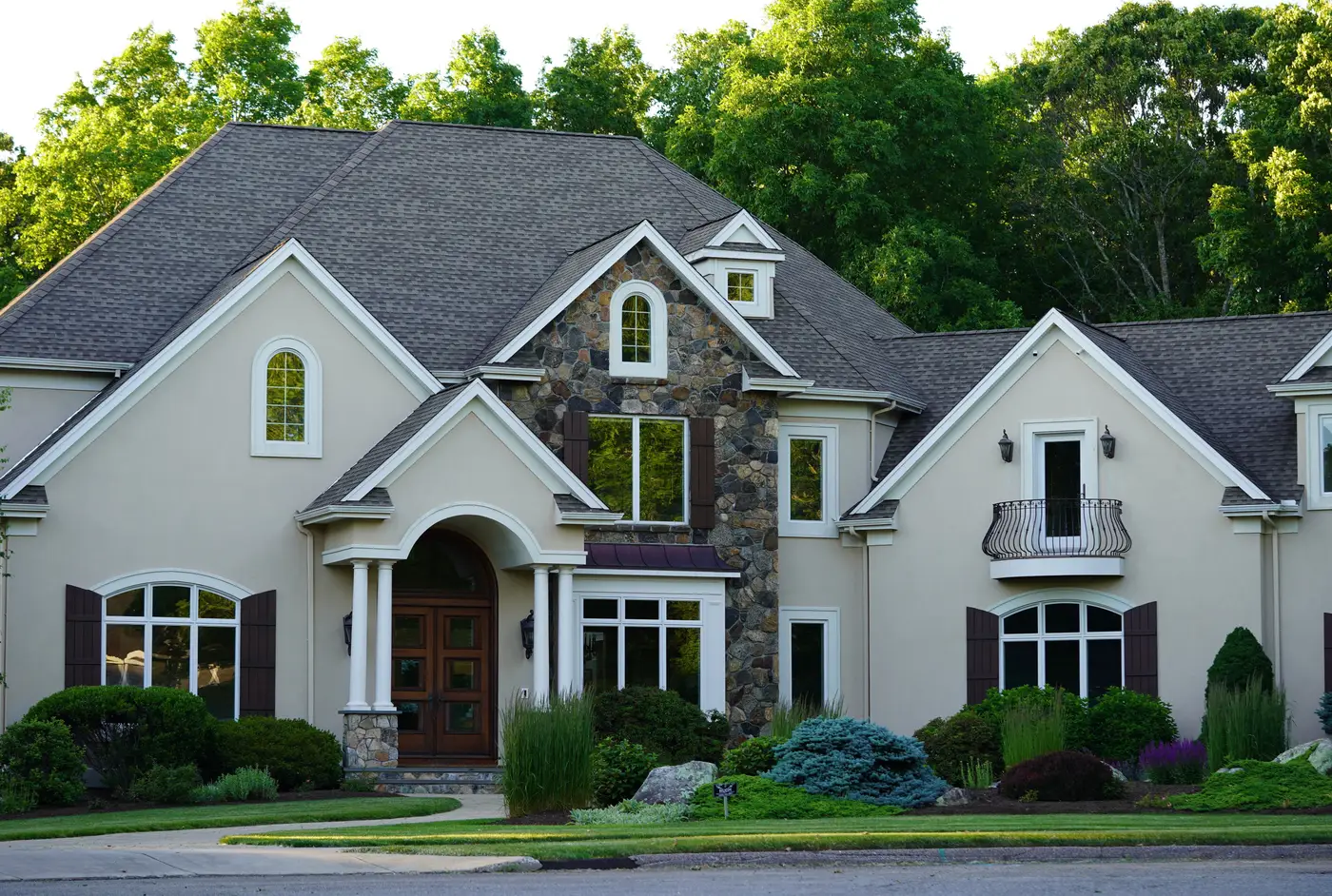
Every desk underwriter who has worked a renewal cycle long enough has seen this batch. Twenty, thirty addresses come back flagged for roof condition, inspectors get sent out, and the reports land one after another saying the same thing: roof in serviceable condition, no action needed. Somebody on the team starts muttering about wasted windshield surveys and whether the sorting logic needs a rebuild.
It doesn't, usually. What happened is the flag did its job and the roof did its job too.
A condition flag built off imagery is reading surface signals: dark streaking, patches of granule loss, a tarp corner, a patch job that doesn't match the surrounding shingle color. Those signals correlate with roof problems. They are not the roof problem itself. Algae staining is the classic case. It reads dark on imagery the same way active granule loss does, but one is cosmetic and one is a material degradation issue, and from a rooftop photo at any resolution the two can look a lot alike until someone is standing on a ladder with a hand on the shingle.
A batch where every flag clears on inspection means the sort did exactly what a sort is built to do: widen the net around a smaller group of addresses worth a second look. Its job is prioritizing which files get a closer read, the same way a credit score prioritizes which files get a closer underwriting pass without calling every outcome in advance. Nobody throws out the scoring model over one clean cycle for that reason. The flag's job here is pointing inspection dollars and field time at the right slice of the book instead of spreading them evenly, or not at all, across a renewal file that might run into the thousands.
The actual cost of that clean batch is worth sitting with for a second, because it's not zero. Field inspections have a dollar figure attached, and a schedule attached, and a homeowner who has to be home for someone to look at their roof. If the alternative is inspecting the whole book on a fixed cycle regardless of condition, a sort that sends crews to the right addresses most of the time and occasionally sends them to a clean roof is still a better allocation of that budget than sending them everywhere, or nowhere.
Where it does matter is what you do with the batch afterward. A string of staining flags that all cleared is a signal worth feeding back into how the book gets sorted next cycle. Over a few cycles you learn which patterns in your particular geography tend to be cosmetic and which tend to be real, and the sort gets sharper for it. The flag marks where to look first, and the inspection report is what settles the question.
This is also the case for running the sort every year instead of working off whatever inspection happens to be sitting in the file from three renewals back. A roof that passed inspection two years ago and comes back flagged this cycle because a new tarp went up, or a patch appeared on the south slope, is worth a note, even if the inspector's report says no action needed today. The tarp and the patch are what to watch at next renewal, not the stain pattern that cleared this one.
Roof Scoring exists for that first pass, reading staining, patching, granule loss and tarps off current imagery across the whole renewal book so the flags going to your field team are the ones most worth their time, batch after batch.
If your last renewal cycle had a batch like this one, it might be worth seeing what Roof Scoring would have flagged, and why.