The twelve-year roof that scored like it was new
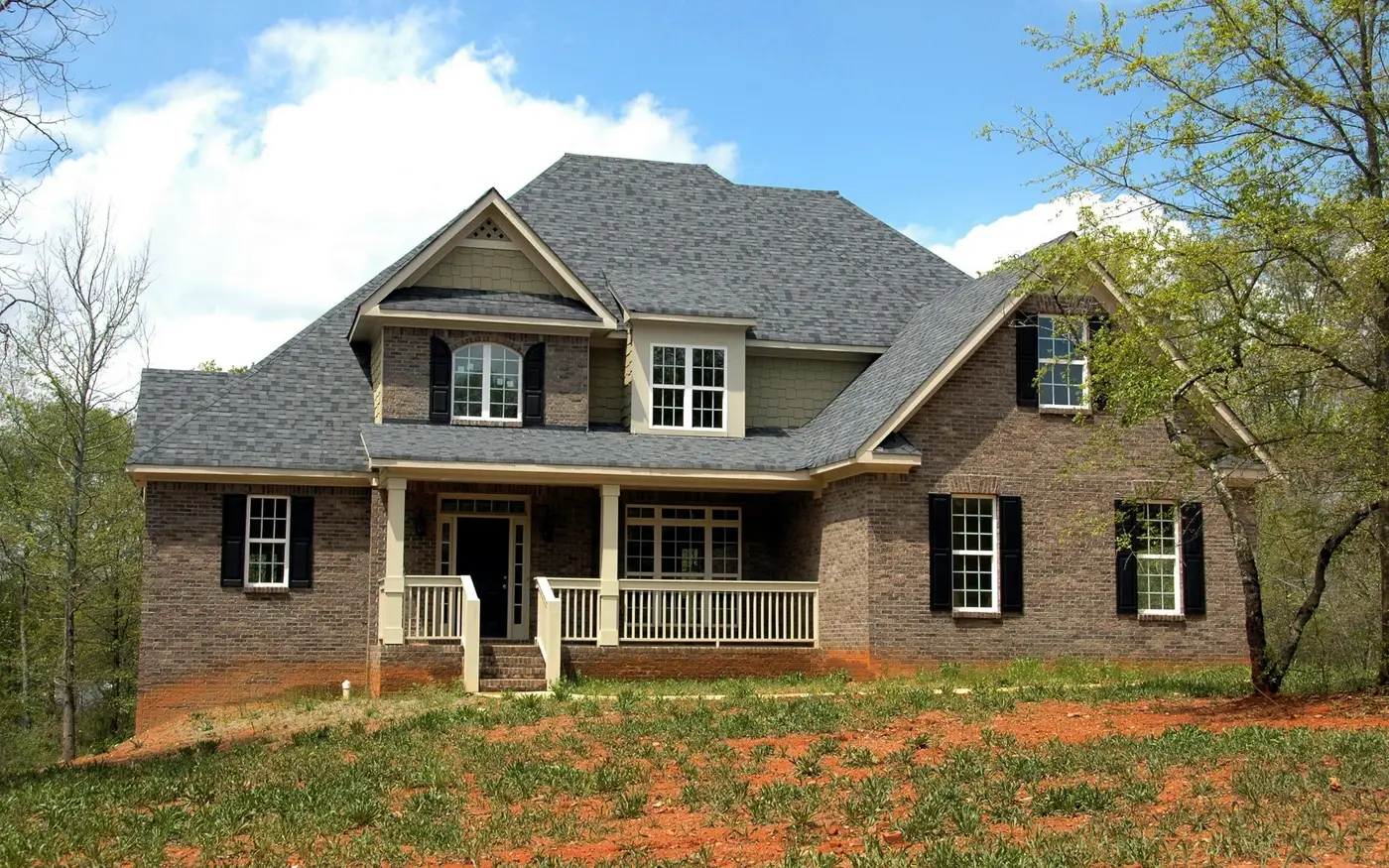
A renewal manager I talked to this fall had a line on her desk that didn't sit right. Two policies, same carrier tier, same wind zone, roofs installed ten years apart. Her age-based underwriting table said the older one should be flagged and the newer one should sail through. The condition data said the opposite. The twelve-year-old roof had clean lines, tight granules, no staining past the ridge caps. The two-year-old roof had a tarped section over the garage and a streak pattern that usually means a flashing problem, not cosmetic weathering.
She asked the question most of us ask eventually, usually too late to do anything about the renewal that's already bound: why are we pricing roofs by a calendar instead of by what's up there.
It's a fair question. Age is a proxy for condition, the number underwriting guidelines reach for because it's already sitting in the policy file next to square footage and construction type. Nobody had to call anyone or climb a ladder to get it. A proxy only works as long as the thing it's standing in for behaves predictably, and roofs don't.
A roof's real clock runs on exposure, not years. A north-facing slope in a shaded lot can hold granules a decade longer than the same shingle baking on a south-facing roof two streets over. A roof that got a quick patch job after a hailstorm five years back is carrying a weak point that age alone will never show. A brand-new roof installed over a rushed re-roof, or with a cheap underlayment, can be shedding granules inside thirty-six months. Chronological age tells you when the shingles went on. It doesn't tell you what's happened to them since, and for a homeowner book, that's the part driving loss.
The renewal manager's instinct, once she saw the mismatch, was the right one: stop treating age as a condition proxy and start treating it as one input among several. Staining patterns, granule loss, patch work, tarps, these are the things an adjuster would look for if they walked the roof line, and they're visible from above without anyone setting foot on a ladder. A roof carrying three of those flags at year two is a worse bet than a clean roof at year twelve, and no amount of age weighting in a rating table is going to catch that on its own.
Age still has a job. It sets realistic expectations for material lifespan, the point past which a shingle manufacturer's warranty steps down from full replacement cost to a prorated payout, and it helps size a replacement reserve across the book. But as the single variable driving a renewal flag, it's doing work it was never built for. The fix is a condition read that sits next to the age field instead of replacing it.
That's the gap we built Roof Scoring to close. It reads the same signals an adjuster would, granule loss, staining, patching, tarps, off annual VHR imagery, and hands back a per-address record you can sort against your own guidelines rather than against a birth year. You can see the full approach at roofscoring.com.
The renewal manager's twelve-year-old roof is still on the book, still scoring clean. The two-year-old one got a closer look this cycle, which is the whole point of separating age from condition in the first place. If your renewal file is still leaning on age as a stand-in for roof health, it might be worth seeing what the condition data says instead.