Field notes: the renewal where algae staining got read as storm damage
A file came across my desk a while back that I keep coming back to, because it's such a clean example of a mistake that happens constantly and almost never gets caught.
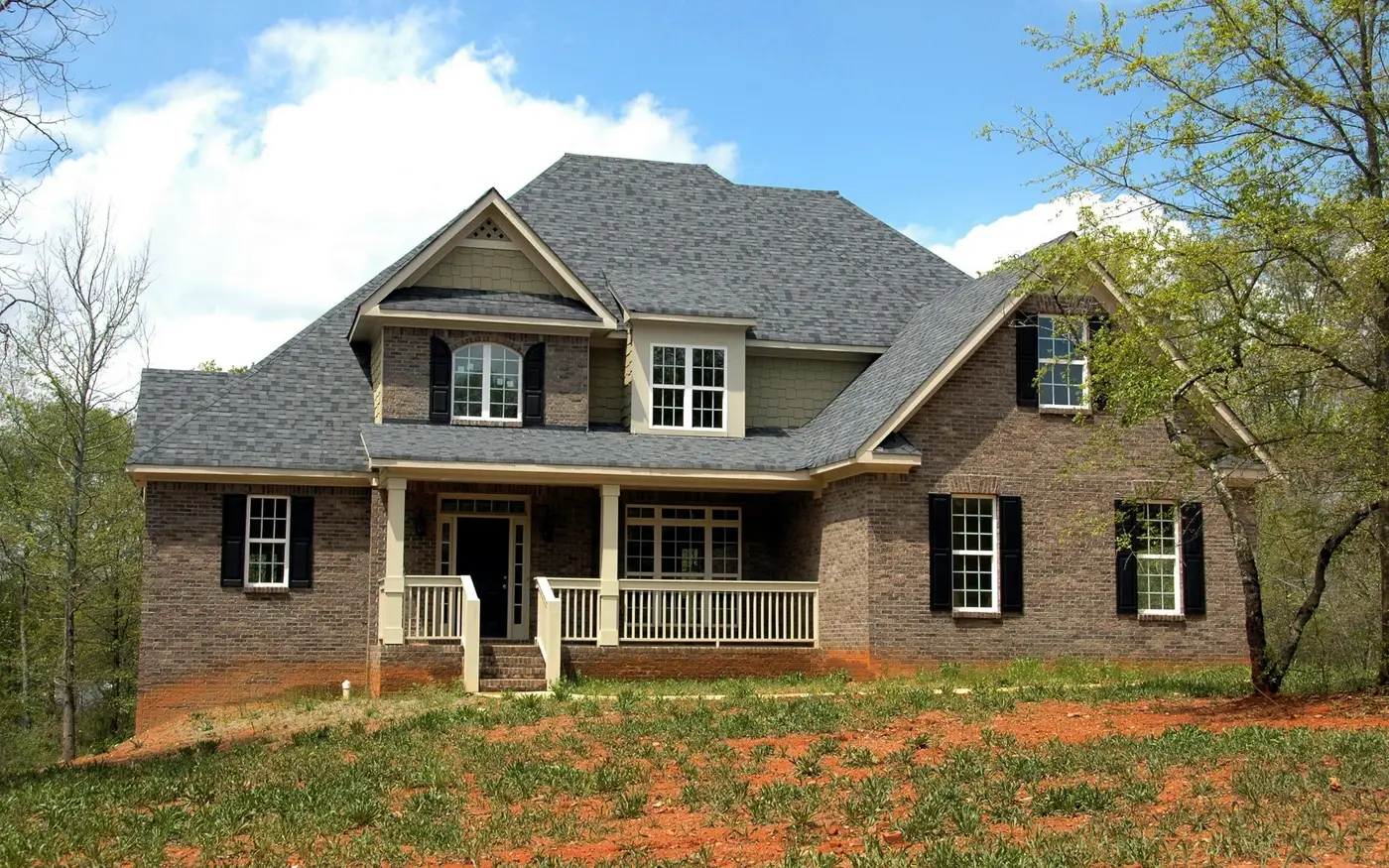
The property was a two-story colonial, architectural shingle roof, maybe twelve years old. The renewal packet included an adjuster's photo set from an unrelated wind claim filed two years earlier on a different part of the property, a fence and some siding. Somewhere along the way, someone attached those photos to the roof file and a note went in: "prior wind damage, north and west slopes." Nobody flagged it again after that. It just sat in the file, repeated at every renewal, because nobody had a reason to look at the roof itself.
The roof didn't have wind damage. What it had was a heavy band of dark streaking running down from the ridge on the two slopes that get the least sun and the most shade from a line of oaks next door. Classic algae growth, the kind caused by airborne algae spores that love humidity and shade and don't care at all about hail or straight-line wind. It shows up as dark, almost sooty streaks, usually worse on north-facing slopes in humid climates, and it's cosmetic. It doesn't open up the mat, it doesn't compromise the seal, it doesn't shorten the life of the shingle in any way that matters to a claims adjuster.
But if you're underwriting from a file instead of a roof, streaking reads as damage. It looks dark and irregular in a low-resolution photo, the kind of thing that triggers a mental flag even when the cause is biological, not structural. Add in a mislabeled prior claim and you've got a property carrying a damage narrative that has nothing to do with its condition, renewal after renewal, for years.
What struck me about this one wasn't the error itself. Misfiled photos happen. It was how long it survived. Three renewal cycles, by my count, before anyone pulled a current image and actually looked at the slopes in question.
When someone finally did, the correction wasn't dramatic. The roof was fine. Normal wear for its age, some granule loss near the valleys, nothing that should've been driving pricing or scrutiny at all. The algae staining had just given the file a story that stuck.
This is the part of the job that doesn't show up in loss ratios until it does. A roof carrying a bad damage narrative either gets flagged for inspection it doesn't need, which costs money and annoys the policyholder, or it gets quietly priced as higher risk than it is, which is its own kind of leak. Multiply that across a book with a few thousand homeowner lines and you're not talking about one file anymore. You're talking about a pattern of noise sitting inside the data you use to make renewal decisions.
A yearly look at the roof itself, independent of whatever claim history or photo set happens to be attached to the address, closes that gap. That's the use case behind Roof Scoring: a per-address read of staining, granule loss, patching and tarps pulled from current imagery, so the condition on record reflects the roof's state this year instead of a note copied forward from a claim that happened somewhere else on the property.
Algae streaking is one of the more common false positives in this business, right up there with tarps that have been sitting on a roof so long they've become part of the landscape. Neither one means what it looks like it means at a glance, and neither one should be driving renewal decisions on last year's read.
If misfiled damage narratives are costing you renewal cycles instead of catching them, it might be worth a look at what gets flagged on your book this year.