What is a ridge vent, and why underwriters should care
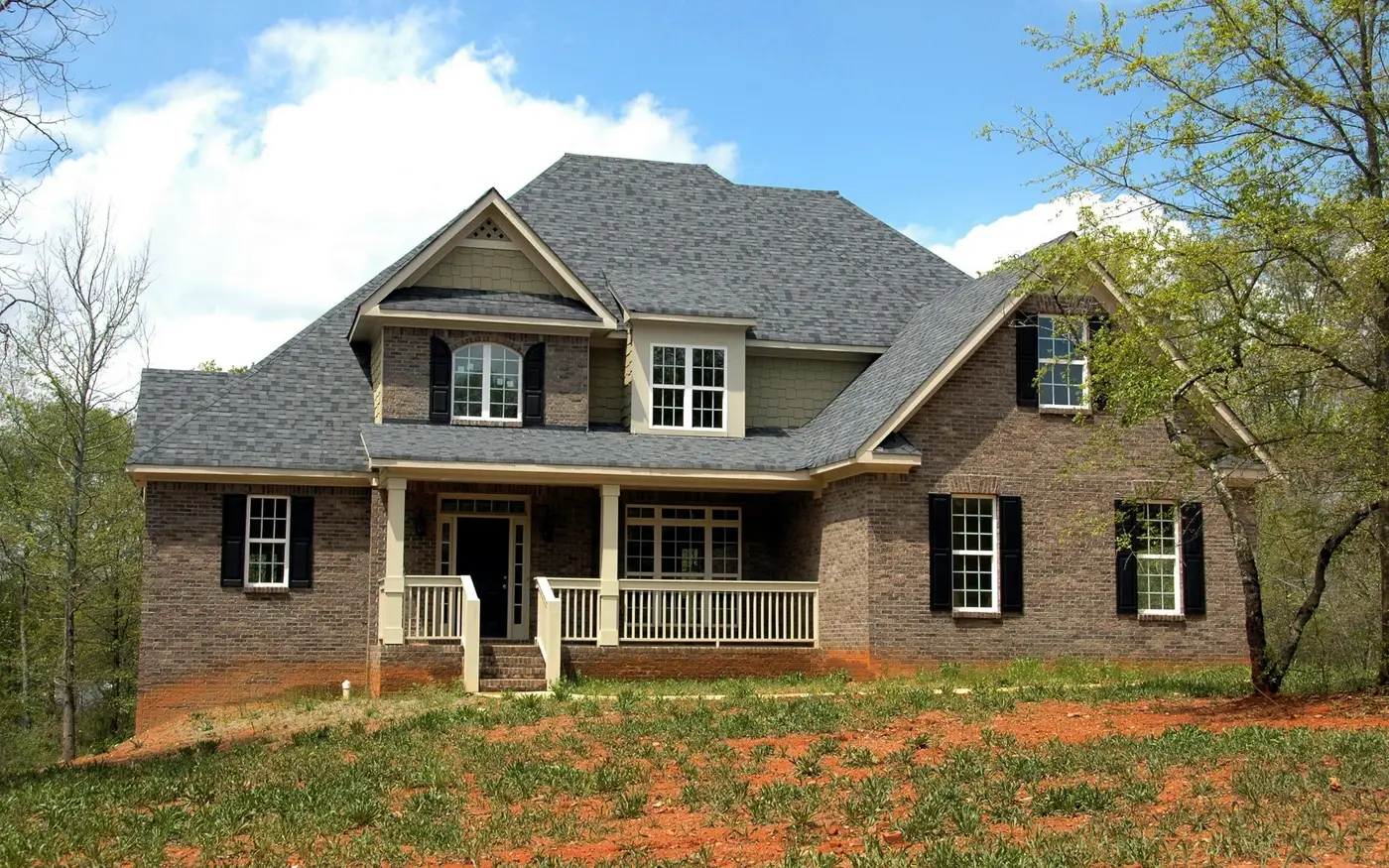
If you underwrite homeowner lines long enough, ridge vents start showing up everywhere: inspection photos, adjuster notes, the occasional denied claim where "improper ventilation" gets blamed for shingle failure that looks a lot like normal wear. Worth knowing what the thing is before it shows up as a line item against a renewal.
What a ridge vent does
A ridge vent is the long, low-profile strip running along the peak of a roof, usually covered by matching shingle material (the ridge cap) so it blends into the roofline instead of sticking up like an old-style turtle vent. Underneath it, there's a continuous slot cut into the roof deck. Hot, moist air rises inside the attic and exits through that slot. Cooler air gets pulled in through vents at the soffit, down at the eaves, and the whole system works as a passive loop: intake low, exhaust high, no fan required.
It's the most common exhaust vent type on homes built or re-roofed in the last twenty-five years, which is also why its absence or its blockage stands out on a file. A roof with soffit intake but no ridge exhaust, or a vent that's been shingled over flat during a cheap re-roof, isn't moving air the way it's supposed to.
Ridge cap vs. ridge vent: not the same thing
This is where field reports get sloppy, and where a desk reviewer can misread a photo. The ridge cap is the finish material: the row of cut or specialty shingles that caps the peak and sheds water. The vent itself is the component underneath it, cut into the deck. Every ridge vent needs a cap over it, but not every cap sits over a vent. Plenty of roofs have a solid cap with no vent at all, relying instead on gable vents or power fans to move attic air.
A photo showing a capped ridge tells you the roof was finished properly. It doesn't tell you whether there's a cut slot and vent material underneath doing the work. A file that notes "ridge vent present" off a rooftop silhouette, instead of confirmed vent product, may be crediting ventilation that isn't actually there.
Attic ventilation and shingle life
Underwriters care about this because poor attic ventilation is one of the quieter drivers of early shingle failure, and it's not always obvious from the street. Trapped heat under the deck in summer accelerates asphalt aging from the underside, the same shingles baking from both directions instead of one. Trapped moisture in winter, from everyday household humidity with nowhere to go, condenses on the underside of the deck and can rot sheathing or show up as mold staining on the roof's interior face long before it's visible on the exterior.
A shingle rated for twenty-five or thirty years in a well-ventilated attic can come in well under that in a sealed-up one, and the granule loss and curling that follow often get read on inspection as plain age when ventilation was the real driver. It's a detail that changes how you think about remaining useful life on a roof that otherwise looks fine from the imagery.
Other roof vent types you'll see on inspection photos
Ridge vents share the roof with a handful of other common types, each worth recognizing on sight:
- Soffit vents: slots or perforated panels under the eaves, the intake side of the system.
- Box or turtle vents: individual static vents scattered across a roof slope, older and less efficient than a continuous ridge run.
- Power vents: motor-driven fans, sometimes solar, used where passive airflow isn't enough.
- Gable vents: louvered vents at the peak of the gable end, common on older construction without a ridge vent.
Mixing types on the same roof (a ridge vent paired with gable vents, for instance) can work against the airflow loop instead of helping it, short-circuiting the intake path. That's a detail that rarely makes it into a standard exterior-only inspection, let alone a desk review.
None of this needs a site visit to flag at renewal. Roof Scoring reads the roofline itself, staining, granule loss, patching, tarps, off annual VHR imagery and turns it into a per-address record you can sort against your own underwriting guidelines, ridge vent condition included alongside the rest of the roof's story. Run your book's rooflines through it before the next renewal cycle lands on your desk.