What is adverse selection in a homeowners renewal book?
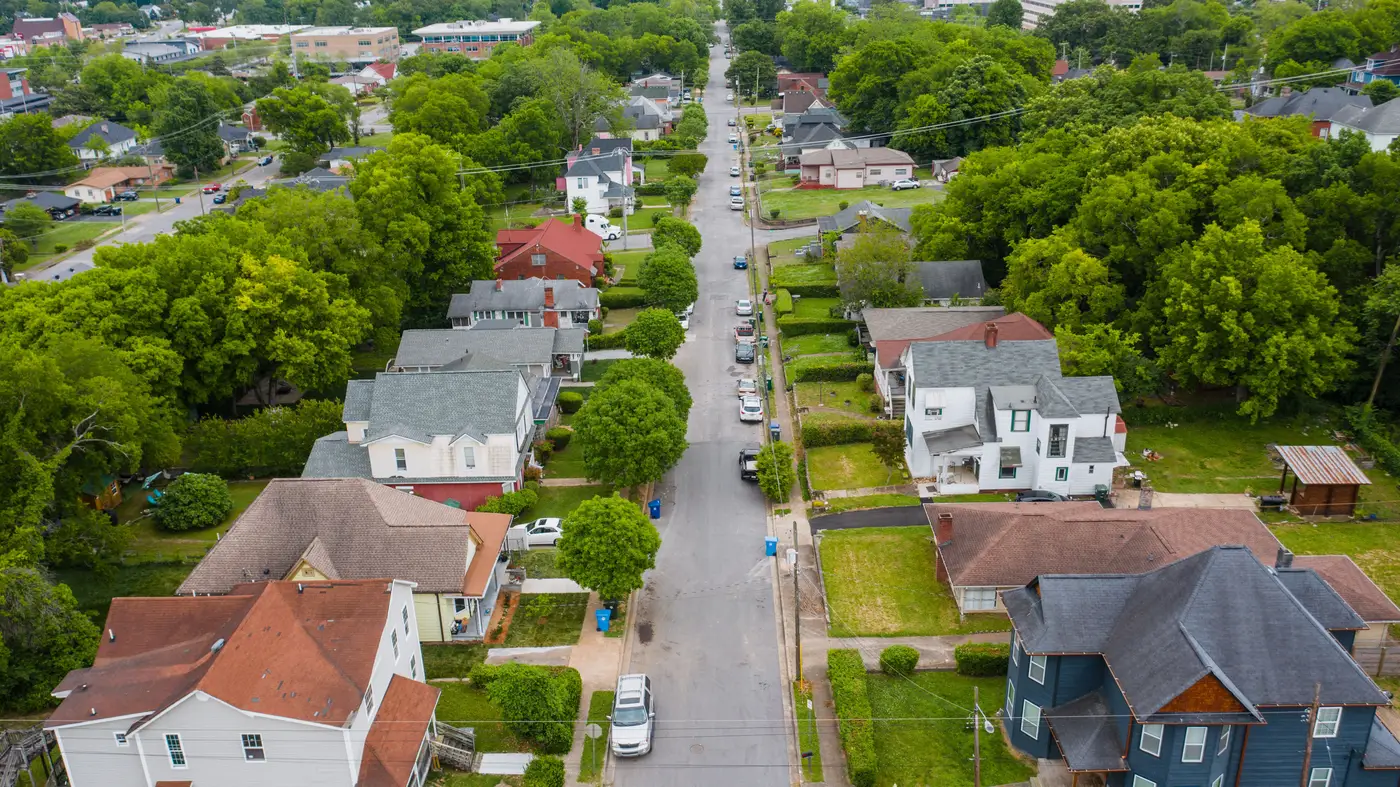
Adverse selection is the slow, lopsided drift that happens when your costliest risks stay on the book and your cheapest risks leave it. In homeowners lines, it rarely announces itself with one bad renewal. It shows up as a loss ratio that creeps up over three or four cycles even though your rates kept pace with filed increases.
The mechanism is simple enough. A policyholder with a sound, newer roof shops around at renewal, finds a competitive quote elsewhere, and leaves. A policyholder with a roof nobody else wants to underwrite stays put, because your renewal terms are still the best offer on the table. Do that enough times across enough addresses and your book reweights itself toward the properties most likely to file a claim.
How it shows up at renewal, not at binding
Most underwriting shops build strong controls at new business. Roof age gets asked, sometimes verified, pricing reflects it. The gap opens at renewal, where the roof question from three years ago gets carried forward without anyone looking at the property again. A roof that was five years old at binding is now eight. Granule loss that wasn't there at inception might be well underway. None of that shows up in a file that was never touched after year one.
This is the core of adverse selection roof condition risk: the underwriting signal you priced on goes stale while the policy keeps renewing on autopilot. The homeowner isn't doing anything wrong. The book is just aging in a direction your pricing doesn't see.
Why a stale renewal book makes the problem compound
A stale renewal book makes patterns invisible as well as individual bad risks. When granule loss, patching, and tarp repairs cluster in a particular roof age cohort or a particular hail-exposed territory, that clustering is itself a portfolio-level signal. You can't see a pattern in data you never refreshed.
The honest reason this happens isn't neglect. A site visit on every renewal in a book of any real size isn't something most shops can staff, and ordering inspections selectively means guessing which addresses are worth the trip. So the book defaults to the one input that's cheap to leave untouched: last year's file.
The fix underwriting managers reach for first is usually a targeted inspection order on renewals flagged by claims history or agent notes. That catches some of it. It doesn't catch the roof degrading on a policyholder with a clean loss record, the exact address adverse selection depends on slipping through.
What closes the gap is a yearly condition read on every roof in the book, not just the ones that already raised a flag. Roof Scoring reads staining, granule loss, patching, and tarps off very-high-resolution imagery once a year and returns a per-address record you can sort against your own underwriting guidelines, so the renewal file reflects this year's roof instead of the one you priced three terms ago.
That's the practical difference between reacting to adverse selection after the loss ratio moves and catching it while the roof is still just a line in a spreadsheet. A renewal book that gets re-scored annually stops relying on the policyholder to volunteer that the roof needs attention, and stops relying on an agent to notice before the next hailstorm does it for you.
None of this requires guessing at a number you don't have. It requires one more data point at renewal that wasn't there before: what the roof actually looks like this year, on every address, not just the ones a claim or a complaint already pointed you toward.
If stale renewal data is part of how adverse selection is building in your book, a per-address roof condition record is worth a look before next year's renewal cycle starts.